By Realty One of New Mexico
Las Cruces sees more than 300 days of sunshine per year, which means that most homeowners here already know what fantastic natural light can do for a room. What's harder to master, however, is what happens after the sun goes down or inside the rooms where windows fall short.
Lighting is one of the most powerful and most underutilized tools in home design, capable of making a compact room feel expansive, a cold space feel inviting, or a dated interior feel current without a single renovation.
Whether you're preparing your home for the market, refreshing a space you've lived in for years, or moving into a new place, thoughtful lighting design pays dividends in both livability and resale value. In the high-desert aesthetic that defines so much of Southern New Mexico, the interplay between warm, earthy tones and layered light sources is especially striking. Done well, lighting doesn't just illuminate a room; it defines its mood, its function, and its character.
This guide walks through the core principles of residential lighting design with Las Cruces homes in mind. From the different types of lighting layers to the specific fixtures and techniques that work best in adobe and stucco interiors, you'll come away with a clear picture of how to make the light work for your living space.
Key Takeaways
- Layered lighting combines ambient, task, and accent sources to create a flexible, high-functioning room.
- Warm-toned bulbs (2700K to 3000K) complement the earthy palette common in Las Cruces interiors.
- Dimmer switches are one of the highest-ROI lighting upgrades you can make in any home.
- Natural light can be amplified strategically using mirrors, light-reflective finishes, and sheer window treatments.
- Lighting updates are among the most cost-effective ways to increase the perceived value of your home before listing.
Understanding the Three Layers of Residential Lighting
The single biggest mistake homeowners often make with lighting is relying on one source to accomplish everything. In most rooms, that means a single overhead fixture that floods the space with flat, unflattering light. Professional lighting designers think in layers, and understanding those layers is the starting point for any meaningful upgrade.
Ambient lighting is the foundational layer, as it provides general illumination across a room. In Las Cruces homes, this often comes from recessed cans, flush-mount ceiling fixtures, or pendant lights that distribute the light broadly. The goal here is even coverage without glare. Given the high ceilings common in Southwestern-style homes, ambient fixtures need to be appropriately scaled to reach the living areas below without looking out of proportion.
Task lighting targets specific areas where focused light supports a particular purpose, such as reading, cooking, or working. Under-cabinet lighting in kitchens, floor lamps beside seating areas, and desk lamps in home offices all fall into this category. Task lighting reduces eye strain and improves functionality in ways that ambient lighting simply cannot.
Accent lighting is the layer that most homeowners skip, and it's the one that makes the most notable visual difference. This includes directional spotlights that showcase artwork, wall sconces that add depth, and LED strip lighting along shelving or architectural features. In adobe-style interiors with textured plaster walls, accent lighting creates dramatic shadow play that adds richness and dimension.
Ambient lighting is the foundational layer, as it provides general illumination across a room. In Las Cruces homes, this often comes from recessed cans, flush-mount ceiling fixtures, or pendant lights that distribute the light broadly. The goal here is even coverage without glare. Given the high ceilings common in Southwestern-style homes, ambient fixtures need to be appropriately scaled to reach the living areas below without looking out of proportion.
Task lighting targets specific areas where focused light supports a particular purpose, such as reading, cooking, or working. Under-cabinet lighting in kitchens, floor lamps beside seating areas, and desk lamps in home offices all fall into this category. Task lighting reduces eye strain and improves functionality in ways that ambient lighting simply cannot.
Accent lighting is the layer that most homeowners skip, and it's the one that makes the most notable visual difference. This includes directional spotlights that showcase artwork, wall sconces that add depth, and LED strip lighting along shelving or architectural features. In adobe-style interiors with textured plaster walls, accent lighting creates dramatic shadow play that adds richness and dimension.
How To Build Your Layers
- Start with ambient sources and position them to distribute light evenly, avoiding dark corners.
- Add task lighting in every area where you perform a specific activity: reading nooks, kitchen counters, bathroom vanities.
- Introduce accent lighting, using it to draw the eye toward architectural details, plants, or artwork.
- Connect as many fixtures as possible to dimmer switches so that each layer can be adjusted independently throughout the day.
Choosing the Right Color Temperature for Your Las Cruces Home
Color temperature, measured in Kelvins, determines whether a light source reads as warm, neutral, or cool. It's one of the most important decisions in any lighting plan.
In Las Cruces, where interiors often lean into warm desert tones, including terracotta, sand, sage, and natural wood, cool or daylight-spectrum bulbs (4000K and above) tend to feel clinical and out of place. They wash out warm colors and create an institutional feel that works against the relaxed, sun-soaked character of Southwestern design. Bulbs in the 2700K to 3000K range, by contrast, produce a warm amber glow that enhances natural wood tones, makes adobe plaster look rich, and creates an inviting atmosphere after dark.
For kitchens and bathrooms where you need to see clearly without distortion, a slightly cooler 3000K to 3500K range strikes a balance between accuracy and warmth. It's bright enough for tasks without the harshness of daylight bulbs.
In Las Cruces, where interiors often lean into warm desert tones, including terracotta, sand, sage, and natural wood, cool or daylight-spectrum bulbs (4000K and above) tend to feel clinical and out of place. They wash out warm colors and create an institutional feel that works against the relaxed, sun-soaked character of Southwestern design. Bulbs in the 2700K to 3000K range, by contrast, produce a warm amber glow that enhances natural wood tones, makes adobe plaster look rich, and creates an inviting atmosphere after dark.
For kitchens and bathrooms where you need to see clearly without distortion, a slightly cooler 3000K to 3500K range strikes a balance between accuracy and warmth. It's bright enough for tasks without the harshness of daylight bulbs.
Color Temperature By Room
- Living rooms and bedrooms benefit most from 2700K to 3000K bulbs that create a soft, relaxed atmosphere.
- Kitchens and home offices often perform better with 3000K to 3500K lighting that supports focus and visual clarity.
- Bathrooms benefit from lighting close to 3500K, positioned at face level rather than overhead to eliminate shadows.
- Exterior and landscape lighting in Las Cruces looks best with warm white (2700K to 3000K) to complement the desert landscape at night.
Maximizing Natural Light in the High Desert
Las Cruces is one of the sunniest cities in the country, which means maximizing natural light is less about adding more windows and more about managing the light you already have. The challenge in Southern New Mexico isn't scarcity; it's the intensity and direction of sunlight during different seasons, particularly during the summer months when south- and west-facing rooms can overheat.
Strategic use of window treatments makes a notable difference. Sheer linen or cotton curtains in neutral tones can filter harsh afternoon light while preserving brightness, and they suit the relaxed aesthetic of most Las Cruces interiors well. Cellular shades offer another option: they block heat without blocking light.
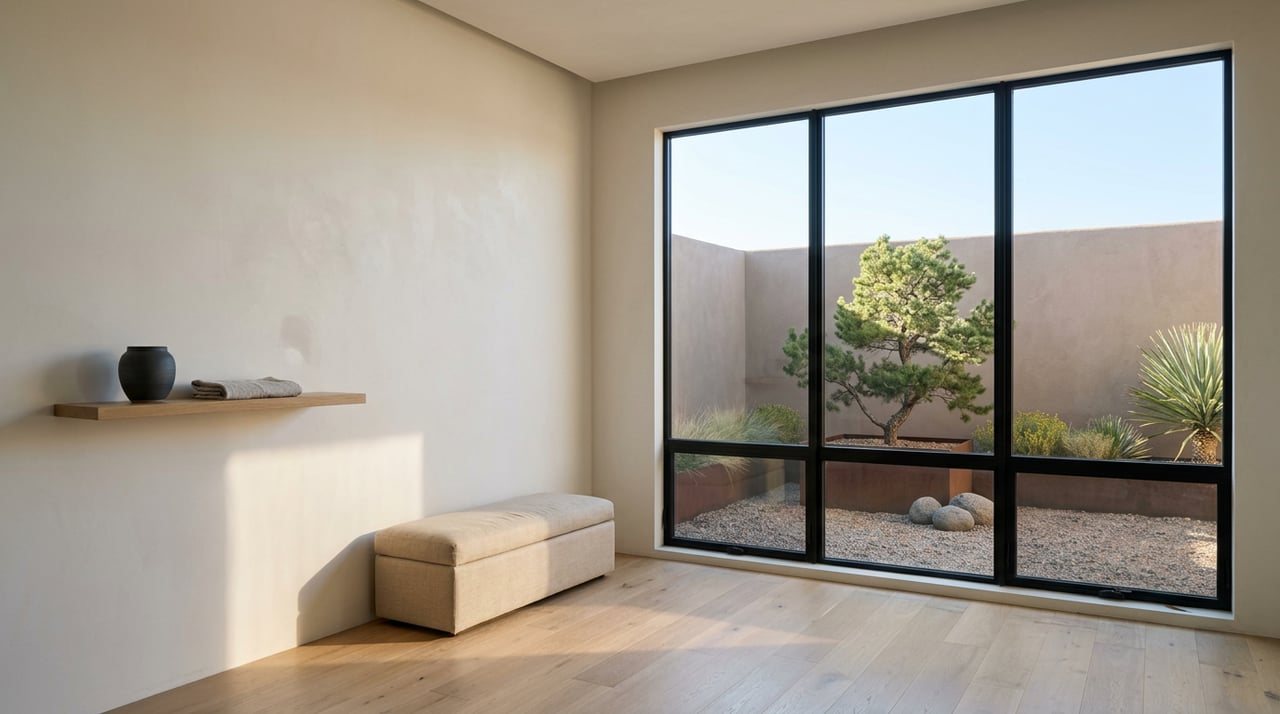
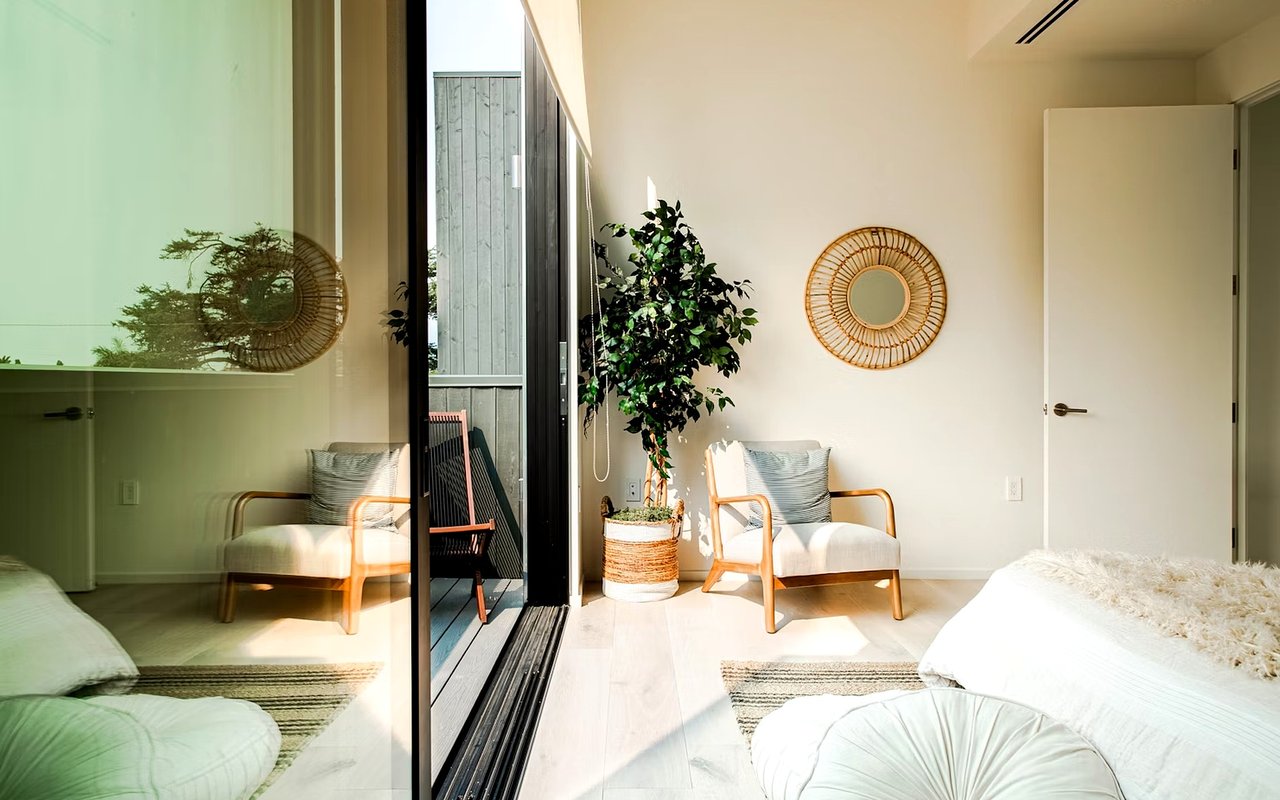
Mirrors are the most underused tool for distributing natural light deeper into a room. Placing a large mirror on a wall perpendicular to a window bounces daylight into areas that would otherwise feel dim. In open-plan living areas, this technique can transform a poorly lit corner into one of the brightest spots in the room. Light-reflective finishes on walls, including semi-gloss paint and polished tile, produce a similar effect at a lower cost than adding new windows or skylights.
Strategic use of window treatments makes a notable difference. Sheer linen or cotton curtains in neutral tones can filter harsh afternoon light while preserving brightness, and they suit the relaxed aesthetic of most Las Cruces interiors well. Cellular shades offer another option: they block heat without blocking light.
Mirrors are the most underused tool for distributing natural light deeper into a room. Placing a large mirror on a wall perpendicular to a window bounces daylight into areas that would otherwise feel dim. In open-plan living areas, this technique can transform a poorly lit corner into one of the brightest spots in the room. Light-reflective finishes on walls, including semi-gloss paint and polished tile, produce a similar effect at a lower cost than adding new windows or skylights.
Ways To Amplify Natural Light
- Position mirrors opposite or adjacent to windows to bounce light further into the room.
- Use sheer window treatments that filter intensity without sacrificing brightness.
- Choose light-reflective paint finishes (eggshell or satin) in rooms that feel dim despite having windows.
- Trim or thin any exterior plantings that block light from reaching south-facing windows during the winter months.
Lighting Fixtures That Work in Southwestern Interiors
Fixture selection matters as much as placement. In Las Cruces, the dominant aesthetic leans toward organic textures, handcrafted details, and materials that reference the landscape. Lighting fixtures that fit this context include wrought iron chandeliers, rattan or woven pendants, hand-thrown ceramic wall sconces, and hammered metal table lamps. These choices reinforce the character of the space rather than competing with it.
For more contemporary Las Cruces homes or recently renovated interiors, matte black and brushed brass fixtures have become popular choices. Both finishes work well against warm white or sand-toned walls. Recessed lighting with matte black trim rings is a clean, minimal option that disappears into the ceiling and lets other design elements take focus.
Pendant lights over kitchen islands deserve particular attention. In Las Cruces homes with open-plan layouts, the island pendant is often the most visible fixture in the primary living area. Scale is critical: a pendant should hang roughly 30 to 36 inches above the counter surface, and multiple pendants over a long island should be evenly spaced and consistent in style.
For more contemporary Las Cruces homes or recently renovated interiors, matte black and brushed brass fixtures have become popular choices. Both finishes work well against warm white or sand-toned walls. Recessed lighting with matte black trim rings is a clean, minimal option that disappears into the ceiling and lets other design elements take focus.
Pendant lights over kitchen islands deserve particular attention. In Las Cruces homes with open-plan layouts, the island pendant is often the most visible fixture in the primary living area. Scale is critical: a pendant should hang roughly 30 to 36 inches above the counter surface, and multiple pendants over a long island should be evenly spaced and consistent in style.
Fixture Styles That Complement Las Cruces Homes
- Wrought iron chandeliers with candle-style bulbs suit traditional adobe and Pueblo Revival interiors.
- Rattan or woven fiber pendants bring warmth and texture to transitional kitchens and dining areas.
- Matte black recessed trims and track lighting work well in contemporary or remodeled spaces.
- Ceramic and hand-thrown wall sconces add an artistic quality that aligns with the regional aesthetic.
FAQs
Does Better Lighting Really Increase Home Value?
Yes, and in a meaningful way. It improves how a home photographs, how it shows during tours, and how buyers perceive the overall quality of the interior. In Las Cruces, where many homes carry a traditional Southwestern aesthetic, modern and well-placed lighting can make an older interior feel current without requiring a full renovation.
What Type of Lighting Is Best for a Home Office in Las Cruces?
A home office benefits from layered lighting that supports focus during the day and reduces eye strain during evening hours. A combination of ambient overhead lighting, a dedicated desk lamp with adjustable brightness, and a floor lamp to reduce contrast between your screen and the surrounding room works well. If your office has a south-facing window, consider blackout or adjustable shades for afternoon hours when direct sun can create glare on monitors.
How Do I Light Outdoor Spaces in Las Cruces?
Outdoor lighting in Las Cruces should account for both the intense afternoon sun and the dramatically dark nights common in the region. Path lighting, low-voltage landscape fixtures, and string lights are popular choices for patios and courtyards. Warm white (2700K to 3000K) LEDs work best outdoors here, complementing the desert palette and creating an inviting atmosphere for evening entertaining.
Light the Way to a Home You Love
The right lighting doesn't just make your home look better; it changes how the space feels. In Las Cruces, where the landscape is defined by dramatic light and shadow, there's something fitting about bringing that same awareness indoors.
Whether you're designing a space to love for years or preparing your home for the Las Cruces real estate market, lighting is one of the highest-leverage areas to focus on. If you're ready to get started or have questions about how your home shows in the current market, reach out to our team at Realty One of New Mexico today.
Whether you're designing a space to love for years or preparing your home for the Las Cruces real estate market, lighting is one of the highest-leverage areas to focus on. If you're ready to get started or have questions about how your home shows in the current market, reach out to our team at Realty One of New Mexico today.