By Realty One of New Mexico
Las Cruces has a design identity unlike anywhere else in the country. From the sun-baked adobe neighborhoods near the Organ Mountains to the newer builds spreading out toward Mesilla Valley, the homes here carry a character that rewards thoughtful decorating. The high desert light is extraordinary, the architecture tends toward open, airy layouts, and the richness of the region gives you a broad palette to pull from. Choosing furniture and decor that actually fits your Las Cruces home means understanding that context, not just browsing what's trending on Pinterest.
The challenge most homeowners run into is treating furniture shopping like a puzzle to be solved in a single afternoon. In reality, the pieces you choose should respond to your specific space: its square footage, its natural light, its architectural style, and the way you actually live in it. A sectional that looks stunning in a showroom can overwhelm a room with nine-foot ceilings; a statement credenza that photographs beautifully may not be right for an active household. Getting it right takes a bit more intention, and Las Cruces homes deserve that care.
Whether you've recently purchased a home here or you're ready to refresh a space that no longer feels like you, this guide walks you through the decisions that matter most. From scale and proportion to materials that hold up in the high desert climate, here's how to build interiors that feel cohesive, comfortable, and rooted in where you live.
Key Takeaways
- Understanding your home's architectural style is the first step toward choosing furniture and decor that actually fits.
- Scale and proportion matter more than aesthetics alone; the wrong-sized piece can make even a beautiful room feel off.
- Las Cruces' high desert climate and abundant natural light should inform your material and color choices.
- Southwest and New Mexico-inspired design elements can be incorporated in subtle, modern ways without looking overdone.
- A cohesive decor strategy develops room by room, with each space building toward a consistent feel throughout the home.
Start With Your Home's Architectural Style
Las Cruces is home to a range of architectural styles, and your furniture should be in conversation with whichever one you're working with. Pueblo Revival and Spanish Colonial homes feature thick walls, low ceilings in some rooms, arched doorways, and terracotta tile. These spaces call for furniture with grounded profiles; heavy wooden pieces, leather upholstery, and hand-thrown ceramic accents will feel at home here in a way that sleek mid-century silhouettes typically won't. That's not a rule to follow rigidly, but it's a useful starting point.
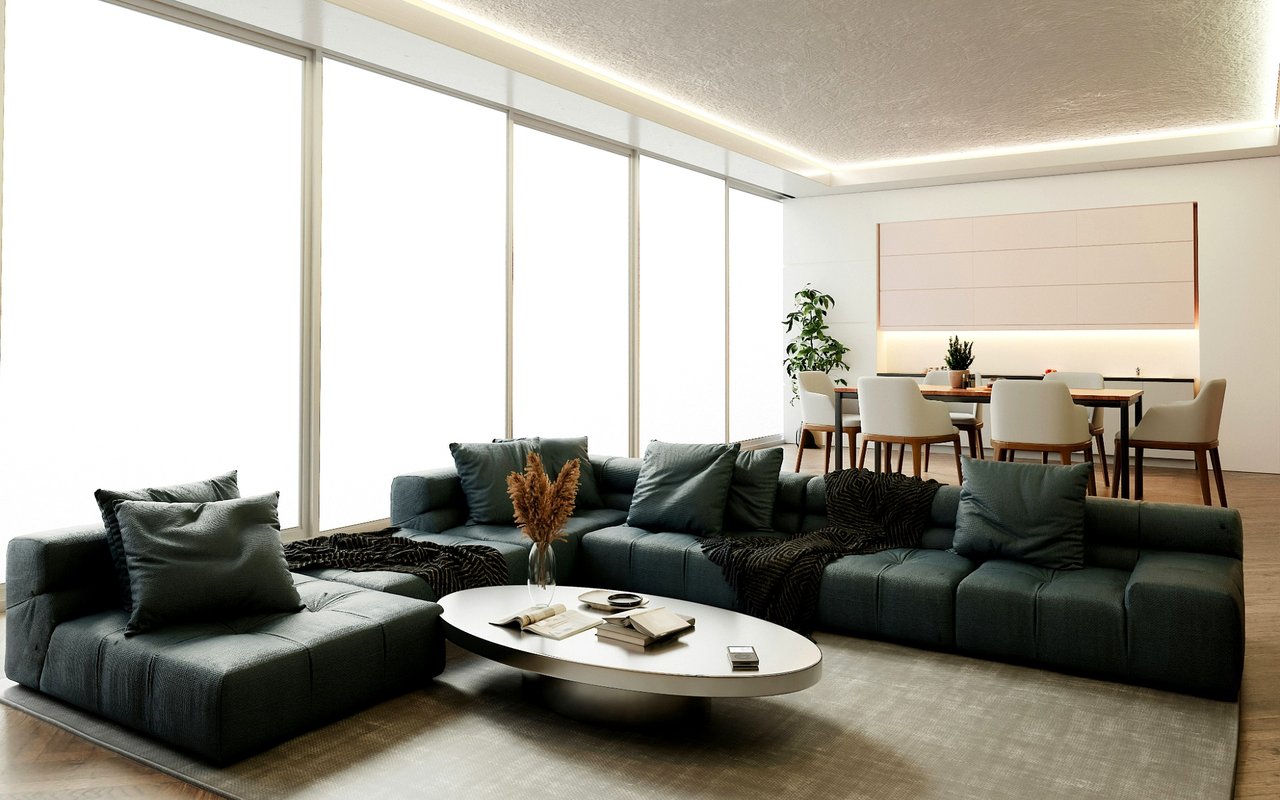
Newer construction in Las Cruces tends toward open-concept layouts with high ceilings, large windows, and clean-lined finishes. These spaces handle contemporary and transitional furniture well. You have more flexibility in material and silhouette, though you'll still want to anchor spaces with pieces that feel warm enough to offset the expansive square footage.
The goal in both cases is visual harmony. When your furniture fights the bones of the house, the room never quite settles. When it works with them, everything clicks into place without much effort.
Newer construction in Las Cruces tends toward open-concept layouts with high ceilings, large windows, and clean-lined finishes. These spaces handle contemporary and transitional furniture well. You have more flexibility in material and silhouette, though you'll still want to anchor spaces with pieces that feel warm enough to offset the expansive square footage.
The goal in both cases is visual harmony. When your furniture fights the bones of the house, the room never quite settles. When it works with them, everything clicks into place without much effort.
Questions to Ask Before You Buy
- Does this piece's scale suit the room's ceiling height and square footage?
- Does the material or finish echo something already present in the home, such as wood tones in the cabinetry or tile in the entryway?
- Does the silhouette of this piece complement the architectural details nearby, such as arched windows or exposed vigas?
- Will this piece's color read well in the room's specific light, which in Las Cruces, means intense southwestern sun for much of the day?
- Am I choosing this piece because I love it or because it was available in the right size?
Think Seriously About Scale and Proportion
One of the most common decorating mistakes in any home is getting the scale wrong. A sofa that's too small for a living room makes the space feel incomplete; a dining table that's too large for the room makes moving around it a daily frustration. In Las Cruces homes, which often feature open-plan great rooms or long, rectangular spaces, scale becomes especially important because there's no natural boundary to tell you where to stop.
The general rule is that furniture should take up about two-thirds of the usable floor space in any given room, with clear paths for movement around it. In a living room, your sofa and chairs should create a conversation zone that feels close-knit without crowding. In a bedroom, the bed frame and nightstands should feel proportionate to the wall they're against. In a dining room, your table should allow at least 36 inches of clearance on all sides so chairs can be pulled out without bumping into walls or other furniture.
Proportion applies to decor as well. A single large piece of art almost always reads better on an open wall than a cluster of small frames that never quite align. A substantial ceramic vase on a coffee table anchors the space better than a grouping of small objects that feel scattered. Training your eye to think in terms of proportion helps every room settle into itself.
The general rule is that furniture should take up about two-thirds of the usable floor space in any given room, with clear paths for movement around it. In a living room, your sofa and chairs should create a conversation zone that feels close-knit without crowding. In a bedroom, the bed frame and nightstands should feel proportionate to the wall they're against. In a dining room, your table should allow at least 36 inches of clearance on all sides so chairs can be pulled out without bumping into walls or other furniture.
Proportion applies to decor as well. A single large piece of art almost always reads better on an open wall than a cluster of small frames that never quite align. A substantial ceramic vase on a coffee table anchors the space better than a grouping of small objects that feel scattered. Training your eye to think in terms of proportion helps every room settle into itself.
How to Test Scale Before You Commit
- Use painter's tape on the floor to map out the footprint of any furniture piece before purchasing it.
- Hold large art pieces against the wall to gauge whether the size works before hanging.
- Measure ceiling height as well as floor space; tall ceilings in newer Las Cruces homes can handle taller furniture and longer drapery.
- Download a furniture layout app or use graph paper to sketch out the room before shopping.
- Visit showrooms with your room's measurements written down rather than estimating.
Choose Materials That Work With the High Desert Climate
The climate here is genuinely distinct. Summers are hot and dry with intense sun, and winters bring cold nights and occasional freezes. The dryness is the factor most people underestimate when furnishing a home here. Wood furniture can crack or warp if it's not properly treated; natural fiber rugs can dry out faster than you'd expect; leather needs conditioning more frequently than it would in a humid climate.
That doesn't mean avoiding these materials. It means choosing quality versions of them and caring for them properly. Solid hardwoods with a proper finish hold up well; particleboard and MDF furniture can degrade more quickly in dry conditions. Leather in earth tones, particularly cognac, caramel, and warm brown, tends to look right at home against the ochre and terracotta palettes common in the region and ages beautifully when conditioned.
Textiles are another important consideration. Natural fibers, such as cotton, linen, and wool, breathe well and stand up to temperature swings. In a sunlit Las Cruces room, UV-resistant fabric is worth the investment, as intense daily sun can fade upholstery and window treatments faster than most homeowners expect. Darker colors and rich earth tones tend to hold better than pale pastels over time.
That doesn't mean avoiding these materials. It means choosing quality versions of them and caring for them properly. Solid hardwoods with a proper finish hold up well; particleboard and MDF furniture can degrade more quickly in dry conditions. Leather in earth tones, particularly cognac, caramel, and warm brown, tends to look right at home against the ochre and terracotta palettes common in the region and ages beautifully when conditioned.
Textiles are another important consideration. Natural fibers, such as cotton, linen, and wool, breathe well and stand up to temperature swings. In a sunlit Las Cruces room, UV-resistant fabric is worth the investment, as intense daily sun can fade upholstery and window treatments faster than most homeowners expect. Darker colors and rich earth tones tend to hold better than pale pastels over time.
Materials Worth Prioritizing in Las Cruces Homes
- Solid hardwoods, such as mesquite, pine, and walnut, which are commonly used in Southwest furniture and hold up well in dry conditions.
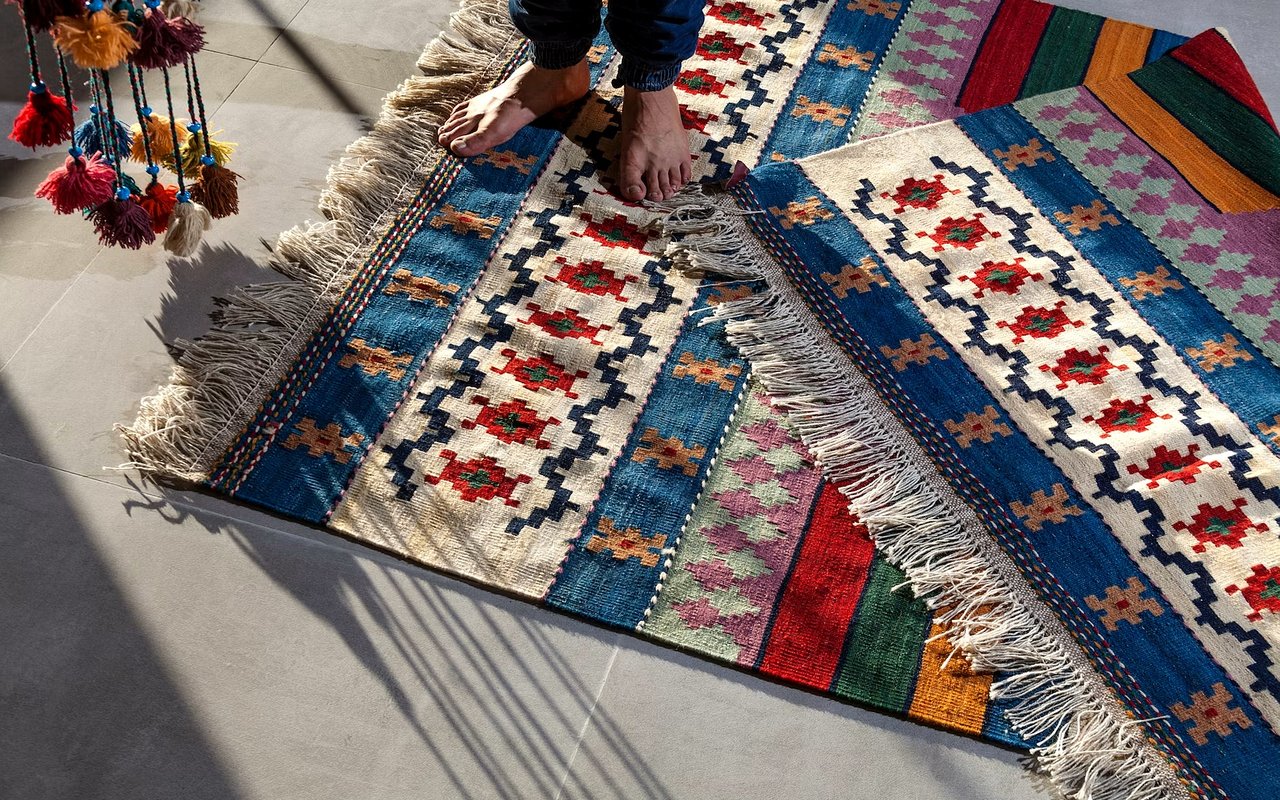
- Wool rugs, which are naturally resilient, easy to spot clean, and beautiful in the textured, layered aesthetic that suits the region.
- Clay, ceramic, and hand-thrown pottery, which thrive in dry air and bring a connection to the local craft tradition.
- Cotton and linen upholstery in performance fabric grades, which hold color well and are easy to maintain.
- Stone, tile, and concrete accent pieces, which are naturally suited to desert environments and require minimal care.
FAQs
What Furniture Styles Work Best in Las Cruces Homes?
Transitional and Southwest-influenced furniture styles tend to work well across the range of homes in Las Cruces. Pueblo Revival and Spanish Colonial architecture pair beautifully with rustic wood pieces, leather upholstery, and hand-crafted details. Newer construction handles contemporary and modern farmhouse styles well. The key is matching the furniture's scale and material to the specific home rather than following a single style trend.
How Do I Decorate a Small Room in a Las Cruces Home?
Focus on scale and light. Choose a few pieces that are correctly proportioned for the room rather than filling it with smaller items. Use mirrors to reflect the natural light that Las Cruces offers in abundance. Keep the palette consistent to make the space feel larger, and use vertical elements, such as tall bookshelves or long drapery panels, to draw the eye upward.
What Colors Work Well for Las Cruces Interiors?
Earth tones inspired by the high desert landscape are a natural fit: warm whites, terracotta, ochre, sage green, and dusty blue. These colors work well in the intense natural light common here and complement both traditional and contemporary architecture. If you prefer a more neutral palette, warm greige and sand tones are versatile without feeling generic.
How Do I Make an Open-Plan Las Cruces Home Feel Cozy?
Define zones with rugs, lighting, and furniture arrangement rather than walls. An area rug under a conversation grouping in the living room creates a visual boundary that makes the space feel intentional. Layering lighting, with table lamps, floor lamps, and overhead fixtures used together, adds warmth to large, open spaces.
Your Home, Your Desert
When decorating a home in Las Cruces, you're living in a landscape with a distinct personality, a long design history, and natural light that makes even simple spaces feel special.
Our team at Realty One of New Mexico is happy to connect you with local resources, from markets to trusted vendors, as you settle into your Las Cruces home. Reach out to us whenever you're ready to talk about the area, explore neighborhoods, or start your search for a space worth decorating.
Our team at Realty One of New Mexico is happy to connect you with local resources, from markets to trusted vendors, as you settle into your Las Cruces home. Reach out to us whenever you're ready to talk about the area, explore neighborhoods, or start your search for a space worth decorating.